
5 Things to Know About MDMA-Assisted Psychotherapy for PTSD

MDMA increases the receptivity of the patient to the processes of psychotherapy and enables the patient to approach their trauma from a new mindset, while removing feelings of isolation.
What is PSSD? Post SSRI Sexual Dysfunction and How To Manage PSSD?

What is PSSD and why does it happen? Who is more likely to get it? And how do you treat it? What do most physicians think about it?
Alcohol Treatments

Episode 8 – Tyler Beauchamp Med Student Mental Health Med College Georgia

Tyler Beauchamp, MS4 at Med. College of Georgia and author of Freeze Frame talks about his book, med school mental health, stigma, self-disclosure.
Heart medication spironolactone shows potential for treatment of alcohol use disorder
New research shows spironolactone could be considered as another tool for treating alcohol use in populations with end stage liver disease. Study finds that individuals who are taking more than 50 milligrams of…
Wearable Devices for Mental Wellness
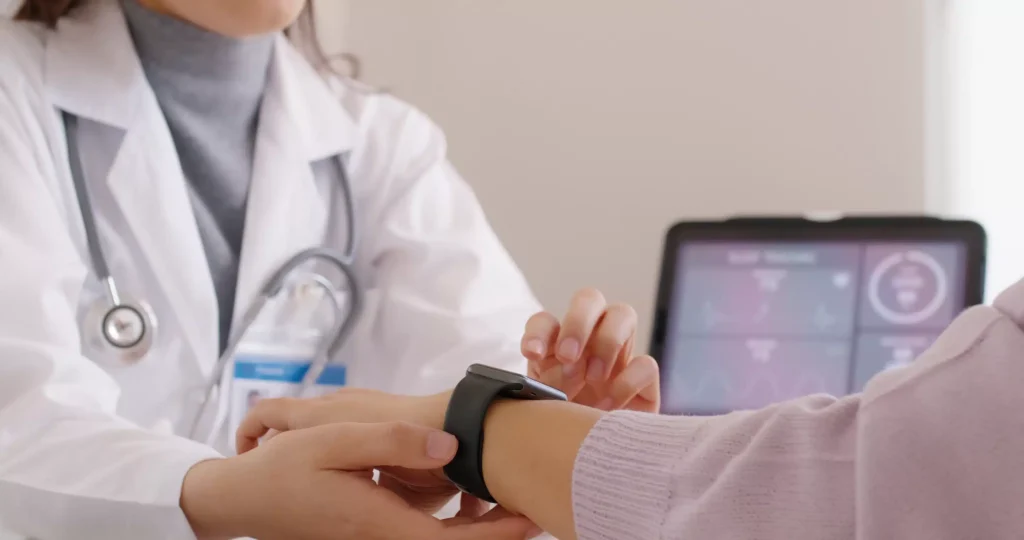
Wearables are becoming more popular than ever before. They’re helping people live healthier lives by monitoring their physical activity, sleep patterns, and even their moods.
Dr. Bassi Presentation on Sleep 8/5/22 @ 12:00 pm EST

This presentation will explore myths and misconceptions related to sleep, the importance of sleep on mental health, the impact of various illicit substances on sleep, and a general overview of treatment options for sleep with a special emphasis on cooccurring substance use disorders.
Finding a Therapist Near Me

Finding a therapist near me can be difficult. There are several options when seeking mental health treatment. Educating yourself will help you make the right care decision.
Postpartum Depression – Symptoms and Treatment

Women who experience “postpartum blues” can have a sense of dysphoria or dissatisfaction with life. Usually symptoms of postpartum blues might develop within 2-3 days of delivery, and peak within a few days and resolve with two weeks. If the symptoms persist for more than two weeks and are affecting your ability to function, it is more suggestive of postpartum major depression. Concerns about one’s ability to care for the infant or a lack of interest in the infant would suggest seeking professional help.
Seasonal Affective Disorder and Lightbox Therapy

Bright light treatment for SAD and for nonseasonal depression are efficacious with effect sizes equivalent to antidepressant pharmacotherapy trials.